
Wayfarer Weekly: Cultural Immersions 2025
In the ever-evolving world of travel, cultural immersion stands out as a profound way to connect with global communities and histories. Wayfarer Weekly dedicates this edition to exploring the cultural immersion trends set to define 2025, where travelers seek deeper, more meaningful interactions beyond surface-level sightseeing. As borders reopen and curiosity grows, people are drawn to experiences that foster understanding and respect for diverse cultures. Wayfarer Weekly has tracked these developments, noting a shift toward authentic engagements that support local economies and preserve heritage. This article delves into various facets of cultural immersion, from homestays and festivals to culinary journeys and artisan workshops, providing insights to help you plan transformative trips. With sustainability in mind, these experiences emphasize ethical practices, ensuring your journey benefits both you and the host communities.
Homestays and Community Living
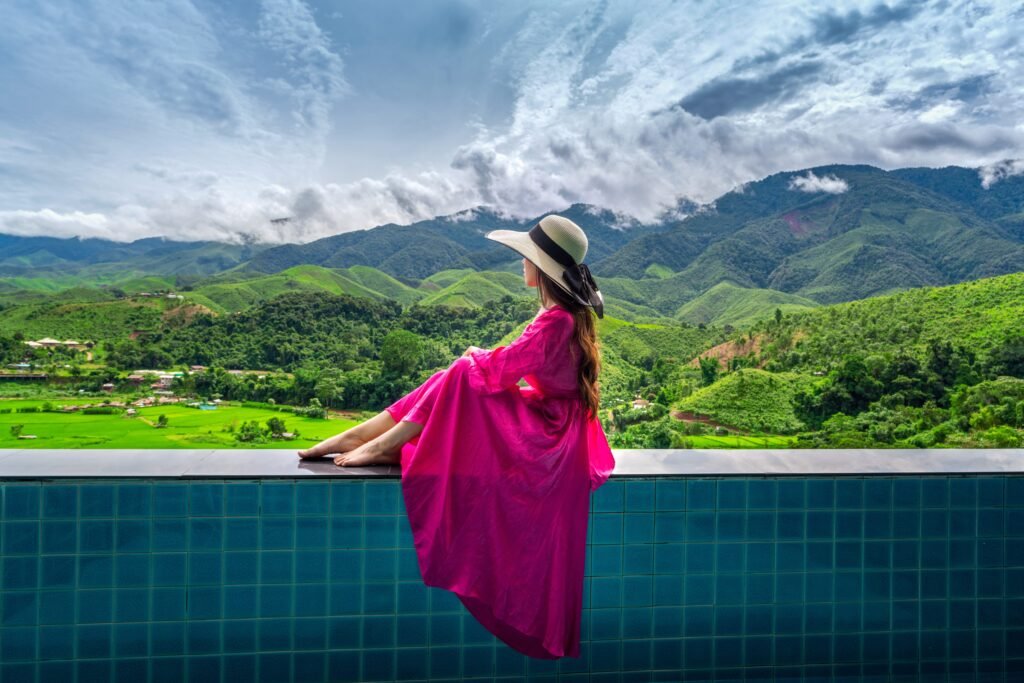
Homestays have surged in popularity, offering an intimate glimpse into everyday life across the globe. In 2025, travelers are opting for stays with local families in places like rural Japan or Moroccan riads, where shared meals and conversations bridge cultural gaps. Wayfarer Weekly highlights how these arrangements allow visitors to participate in daily routines, such as farming in Vietnam’s Mekong Delta or crafting in Peruvian villages. This trend promotes genuine exchanges, far removed from impersonal hotels, and often includes language lessons or storytelling sessions that enrich understanding.
Moreover, community-based tourism initiatives are expanding, particularly in Africa and Southeast Asia. For example, in Kenya’s Maasai Mara, guests can live among indigenous groups, learning about wildlife conservation and traditional dances. Wayfarer Weekly recommends verifying programs through reputable organizations to ensure fair compensation for hosts. Transitioning to urban settings, city homestays in places like Istanbul or Havana provide a contrast, blending modern life with historical narratives. These experiences not only deepen cultural appreciation but also encourage responsible tourism by directing funds directly to locals.
Benefits of Homestay Experiences
One key advantage is the opportunity for personalized learning. Travelers might join in religious ceremonies or family celebrations, gaining insights unavailable through guidebooks. Wayfarer Weekly notes that such immersions often lead to lasting friendships and a broader worldview. Additionally, they support environmental sustainability by reducing the need for large-scale developments. However, preparation is essential—learning basic etiquette and phrases shows respect and enhances the connection.
Festivals and Seasonal Celebrations
Festivals remain a vibrant entry point for cultural immersion in 2025, with events worldwide inviting outsiders to join in age-old traditions. From India’s Diwali to Mexico’s Day of the Dead, these gatherings showcase music, dance, and rituals that define societal identities. Wayfarer Weekly explores how participating in such festivals, like Spain’s La Tomatina or Japan’s cherry blossom viewings, creates memorable bonds with locals. This year, there’s a focus on lesser-known events, such as Bhutan’s Tshechu festivals or Ethiopia’s Timkat, to avoid overtourism in popular spots.
Furthermore, interactive elements are key, with many festivals offering workshops on traditional attire or performances. Wayfarer Weekly advises timing trips around these occasions for an authentic pulse of the culture. However, with growing crowds, sustainable practices like using public transport and respecting sacred sites are crucial. As Wayfarer Weekly continues to cover these, we see festivals evolving to include eco-friendly measures, ensuring their longevity for future generations.
Planning Around Global Festivals
To maximize immersion, research festival origins and customs beforehand. Wayfarer Weekly suggests engaging with local guides who can explain symbolism and facilitate participation. For instance, in Brazil’s Carnival, joining a samba school rehearsal adds depth beyond just spectating. This approach turns passive observation into active involvement, fostering empathy and cultural exchange.
Culinary Journeys and Food Traditions
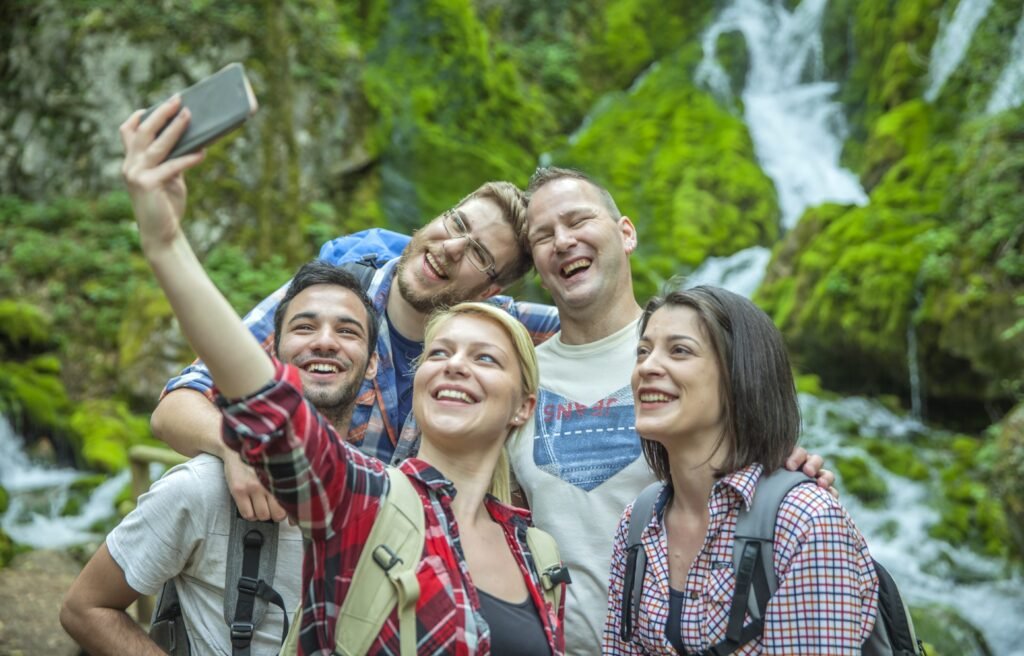
Food serves as a universal language in cultural immersion, and 2025 sees a boom in culinary travel. Travelers are enrolling in cooking classes in Thailand’s street markets or foraging tours in Scandinavia, learning recipes passed down through generations. Wayfarer Weekly emphasizes how these experiences reveal societal values, such as Italy’s emphasis on fresh ingredients or Korea’s communal dining etiquette. By sourcing from local farms, these journeys also support agricultural communities and promote biodiversity.
In addition, wine and tea tastings are gaining traction, with regions like France’s Bordeaux or China’s Yunnan offering immersive tours that include harvesting and blending. Wayfarer Weekly has featured stories of travelers discovering hidden gems, like spice blending in Zanzibar or chocolate making in Ecuador. Transitioning to street food explorations, urban adventures in cities like Bangkok or Mexico City allow sampling diverse flavors while interacting with vendors. These culinary paths not only tantalize the taste buds but also weave in historical contexts, making meals educational feasts.
Ethical Considerations in Culinary Travel
Wayfarer Weekly stresses the importance of ethical sourcing to avoid exploitation. Choose tours that prioritize fair trade and animal welfare, ensuring your participation aids preservation. For vegetarians or those with dietary needs, many destinations now adapt traditional dishes, broadening accessibility without compromising authenticity.
Artisan Workshops and Craft Heritage
Engaging with artisans provides a hands-on way to immerse oneself in cultural heritage, with 2025 highlighting workshops in pottery, weaving, and metalwork. In places like India’s Rajasthan, visitors can apprentice with silk weavers, understanding the intricate processes behind textiles. Wayfarer Weekly notes the revival of these crafts through tourism, which helps sustain endangered skills in an era of mass production. Similarly, in Bali’s wood carving villages or Greece’s ceramic studios, participants create souvenirs with personal stories attached.
Moreover, these workshops often include narratives about cultural significance, such as Native American beadwork in the USA or Aboriginal dot painting in Australia. Wayfarer Weekly recommends small-group sessions for individualized attention, enhancing the learning curve. However, with commercialization risks, seek out cooperatives that ensure artisans receive fair shares. This trend not only preserves traditions but also empowers communities economically.
Integrating Crafts into Travel Itineraries
Start by identifying regions renowned for specific crafts, then book workshops in advance. Wayfarer Weekly suggests combining them with market visits to see the final products in context. This holistic approach turns a simple vacation into a creative journey, leaving you with skills and memories.
Language and Storytelling Exchanges
Language immersion programs are evolving in 2025, pairing travel with linguistic learning for deeper cultural connections. In Spain or France, homestay-based courses include conversational practice during excursions. Wayfarer Weekly explores how apps and virtual exchanges complement on-site learning, preparing travelers for authentic dialogues. Storytelling sessions, like Ireland’s seisiúns or Africa’s griot traditions, add narrative layers, sharing folklore and personal histories.
Furthermore, volunteer programs incorporating language elements, such as teaching English in exchange for local dialect lessons in Nepal, foster mutual growth. Wayfarer Weekly highlights the emotional rewards of these exchanges, breaking down barriers and building empathy. Transitioning to digital innovations, podcasts and online communities extend the immersion post-trip, maintaining connections.
Overcoming Language Barriers
While challenging, embracing mistakes in language learning leads to humorous, bonding moments. Wayfarer Weekly advises using translation tools sparingly to encourage real interaction, ultimately enriching the experience.
Ethical and Sustainable Cultural Travel

As cultural immersion grows, ethical considerations are paramount in 2025. Wayfarer Weekly advocates for respectful engagement, avoiding commodification of sacred practices. Researching community-led initiatives ensures benefits flow equitably, as seen in New Zealand’s Maori-guided tours. Sustainability ties in by minimizing environmental impact through low-carbon transport and supporting conservation-linked experiences.
In addition, cultural sensitivity training via pre-trip resources prepares travelers to navigate norms gracefully. Wayfarer Weekly warns against photography without consent or intrusive behaviors, promoting mindfulness. By choosing operators with transparent policies, you contribute to positive change.
Resources for Ethical Planning
Utilize guides from organizations like the World Tourism Organization. Wayfarer Weekly curates lists of verified experiences, helping you align trips with values.
Technology Enhancing Cultural Experiences
Technology is bridging gaps in cultural immersion for 2025, with augmented reality apps overlaying historical contexts on sites like Rome’s Colosseum. Wayfarer Weekly examines how virtual reality previews prepare for real visits, reducing surprises. Social platforms connect travelers with locals for spontaneous meetups, while AI translators facilitate smoother conversations.
However, balance is key to avoiding detracting from authenticity. Wayfarer Weekly suggests using tech as a tool, not a crutch, to enhance rather than replace human interactions.
Future Tech in Immersion
Emerging tools like haptic feedback for virtual crafts promise even deeper engagements. Wayfarer Weekly anticipates these will make cultural travel more inclusive for all abilities.
In conclusion, as Wayfarer Weekly wraps up this exploration of cultural immersion experiences in 2025, it’s evident that these journeys offer unparalleled opportunities for personal growth and global understanding. By embracing homestays, festivals, culinary adventures, artisan crafts, language exchanges, and ethical practices, travelers can forge meaningful connections that transcend borders. Wayfarer Weekly encourages you to approach these with openness and respect, ensuring your adventures enrich both your life and the cultures you encounter. Stay connected with Wayfarer Weekly for ongoing travel news and inspirations to make your next trip truly transformative.
About The Author
