
Secure Crypto Wallet Tips: Keep Your Digital Assets Safe
Digital assets have surged in popularity. From institutions to individual fans—especially within niche ecosystems like Global Crypto Sports—more people are joining the crypto movement. But the rise in adoption has led to an alarming rise in crypto wallet security threats: hacks, scams, phishing, and malware attacks are at an all-time high.
That’s why having a secure crypto wallet isn’t just a convenience—it’s a necessity. Whether you’re preparing for the next crypto tournament on Global Crypto Sports or simply staking coins, safeguarding your funds is essential. The consequences of a compromised wallet can be financially and emotionally devastating.
In this post, we’ll explore:
- Clear definitions of wallet types and key crypto terms
- Pros and cons of different wallets
- Actionable security techniques for beginners & intermediates
- Real-world case studies showing what can go wrong—and how to prevent it
- FAQ with common concerns answered
By the end, you’ll confidently use a secure crypto wallet like a pro—knowing how to choose, configure, and protect your digital wealth.
Essential Crypto Terms You Should Know
Even if you’re new to crypto, understanding these foundational terms will help you use wallets more wisely:
Blockchain
A decentralized, digital ledger of transactions. Think of it as a global spreadsheet shared among thousands of computers—immutable and transparent.
DeFi (Decentralized Finance)
Financial services (like lending, trading, staking) that are built on blockchains and run through smart contracts—no central authority involved.
Web3
Describes the new generation of the internet driven by decentralization, blockchain, and user-owned data. Wallets are your entry point to Web3 apps.
Seed Phrase
A 12–24‑word backup phrase generated when creating a wallet. This phrase is the “master key” to all funds—protect it at all costs.
Cold Wallet vs Hot Wallet
- Cold wallet: Offline storage (e.g., hardware wallet, paper wallet). More secure but less convenient for daily use.
- Hot wallet: Online (e.g., mobile wallet, desktop wallet). Fast access, but more exposed to threats.
Hardware Wallet
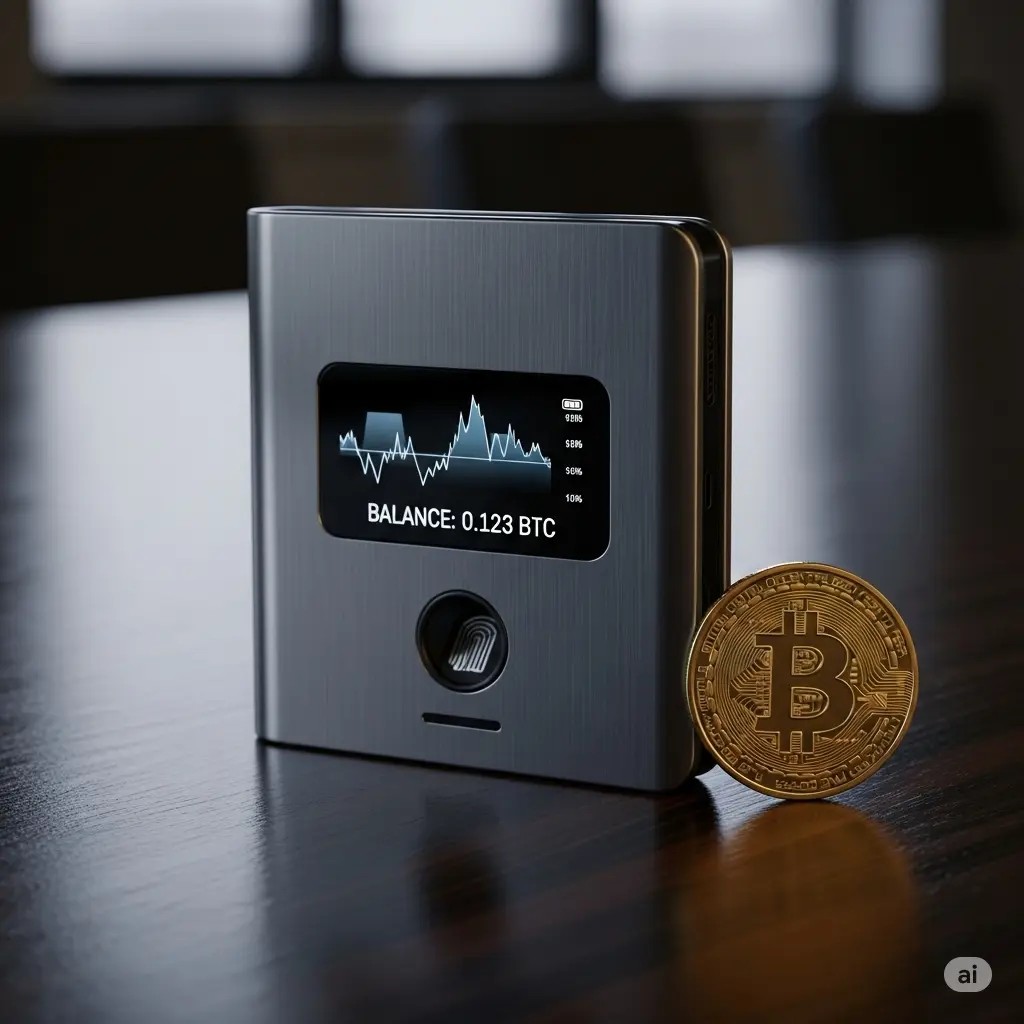
A physical device that stores your private keys offline—often regarded as one of the best crypto wallets 2025 for security.
Mobile Wallet
An app on your smartphone that lets you send, receive, and stake coins. Convenient but needs extra security precautions.
Decentralized Wallet
A non-custodial wallet—you control the keys, unlike exchanges. Vital for autonomy and crypto sovereignty.
Wallet Backup
Approaches like storing a copy of your seed phrase or using recovery tools—crucial for peace of mind.
Types of Crypto Wallets: Pros, Cons & Use Cases
1. Cold Wallets
Hardware Wallets
- What they are: Offline USB-like devices (e.g., Ledger, Trezor) that store private keys securely.
- Pros:
- Excellent protection against online threats
- Support for multiple cryptocurrencies
- Considered the best crypto wallet 2025 for long-term storage
- Cons:
- Must purchase hardware
- Requires careful handling and physical security
- Possible shipping delays or supply issues
Use case: Ideal for investors holding significant value or long-term assets.
Paper Wallets
- What they are: Printed QR codes for your private/public keys—completely offline.
- Pros:
- No devices—zero hackable surface
- Free to create
- Cons:
- Easily damaged or lost
- User error risks during creation or scanning
- No password protection; treat like cash
Use case: Budget-friendly, cold storage for small amounts—but practice extreme caution.
2. Hot Wallets
Mobile Wallets
- Examples: Trust Wallet, MetaMask Mobile
- Pros:
- On-the-go finance—buy, send, stake
- Built-in tools for dApps in the Web3 ecosystem
- Cons:
- Smartphone malware risks
- App phishing or fake apps in stores
Tip: Use strong device security (PIN, biometrics) and only install from trusted sources.
Desktop Wallets
- Examples: Exodus, Electrum
- Pros:
- Good balance of convenience and features
- Stronger control via desktop OS
- Cons:
- Vulnerable if the computer gets hacked
- Needs antivirus and updates
Web & Browser Wallets
- Examples: MetaMask extension
- Pros:
- Instant access to dApps
- Cons:
- Phishing plugins, malicious websites
Security tip: Always double-check the domain, and consider app whitelisting.
Best Practices for Crypto Wallet Security
1. Choose the Right Wallet Type
- Long-term storage → go for a cold wallet (hardware or paper).
- Active trading or sports event staking → hot wallet makes access easy.
- Hybrid approach: Keep most funds in cold storage, with a small day-trading stash in a hot wallet.
2. Secure Your Seed Phrase
- Never save digitally. Keep it offline.
- Use durable methods: metal plates are ideal (resistant to fire, water, etc.).
- Store in multiple safe locations: e.g., home safe + bank deposit box.
3. Multi‑Factor Authentication (MFA)
- For any wallet with extra features (like cloud sync or backend login), enable 2FA or MFA.
- Avoid SMS-based 2FA; prefer an authentication app or hardware keys.
4. Keep Firmware & Software Up to Date
- For hardware: check the manufacturer’s firmware weekly.
- For mobile/desktop: enable auto‑updates and install OS patches promptly.
5. Beware of Malware & Phishing
- Install antivirus/anti‑malware tools.
- Use common sense—double‑check links, download wallets from official sources only.
6. Use Separate Wallets
- Hot wallet: for daily use
- Cold wallet: for long-term storage
- Never mix both—limit exposure.
7. Verify Smart Contracts & dApps
- Always audit the address/URL before connecting your wallet.
- Use tools like Etherscan to review an address’s transaction history.
8. Practice Wallet Backup & Recovery
- Backup your wallet file (if supported).
- Test recovery occasionally on a new, offline device to ensure you haven’t compromised the seed phrase.
9. Enable Transaction Alerts
- Use wallet apps or services that notify you of outgoing transactions—even small ones—to flag unauthorized activity.
10. Insurance & Third-Party Custody (Advanced)
- Consider self-custody insurance or store assets in multi-signature wallets shared with trusted partners.

Real-World Examples: What Can Go Wrong
Case Study 1: Lost Seed Phrase → Permanent Loss
A user in 2023 used a paper wallet, didn’t back it up, and lost the paper during a move. They later forgot the location, permanently locking away ~$200,000 in digital assets. Outcome: irreversible loss.
Lesson: Always create multiple, secure backups of your seed phrase.
Case Study 2: Phishing Scam Costing $150K
In 2024, a user clicked a fake MetaMask login link, entered their seed phrase, and allowed a malicious website to infinitely approve transactions. Funds were drained in minutes.
Lesson: Never enter your seed phrase online. Use hardware wallets with auto-approval to avoid these risks.
Case Study 3: Malware on Hot Wallet
A gamer used the same device for trading on Global Crypto Sports and gaming with cracked apps. Keylogger malware recorded their password and seed phrase, draining their wallet.
Lesson: Reserve a device solely for crypto activity. Never use it for unmonitored downloads.
Pros, Cons & Risks at a Glance
| Wallet Type | Pros | Cons | Risks |
|---|---|---|---|
| Hardware Wallet | Top-tier security, offline storage, supports multiple assets | Requires purchase, physical loss risk | Device misplacement, unverified firmware |
| Paper Wallet | Free, fully offline | Fragile, error-prone, no password layer | Physical damage, loss |
| Mobile Wallet | Portability, easy to use | High exposure to mobile threats | Malware, phishing attacks |
| Desktop Wallet | More secure than mobile, customizable | PC threats, lower portability | Viruses, OS vulnerabilities |
| Web/Browser Wallet | Instant dApp access | Frequent phishing, browser attacks | Malicious browser extensions |
| Decentralized (non-custodial) | Complete key control, aligns with privacy | Self-responsibility, no recovery via support | Lost keys = permanent loss |
| Custodial | Easy account recovery, user-friendly | Platform custody, prone to hacks, regulatory shutdowns | Exchange hacks, account freezes |
Actionable Wallet Security Tips for Beginners & Intermediates
Beginners: Start Safely
- Choose a hardware wallet (e.g., Ledger or Trezor) – best crypto wallet 2025 picks.
- Write your seed phrase on metal and store it in two secure locations
- Only purchase software wallets from official sources
- Use strong passwords + MFA
- Practice sending small test transactions before moving large sums
Intermediate Users: Level Up
- Consider a multi-signature wallet for enhanced protection
- Use a dedicated air-gapped device for seed phrase storage
- Automate transaction alerts on your mobile and email
- Ensure your hardware wallet or partial funds via crypto insurance
- Regularly audit your cold storage—test recovery on an offline system
Frequently Asked Questions (FAQ)
1. What is the best cold wallet in 2025?
Hardware wallets from Ledger (Nano X/S) and Trezor (Model T) remain the top picks due to strong firmware updates, broad coin support & excellent security.
2. Is a mobile wallet safe?
Yes—when secured properly. Use trusted apps, enable biometrics, and don’t download wallet apps from unknown links.
3. How often should I back up my wallet?
Immediately during setup. Secure backups should be retested every 6–12 months or after switching wallets.
4. How do I know if a wallet is decentralized?
Non-custodial wallets give you full control of your private keys and seed phrase. Custodial platforms do not provide direct key access.
5. Can hot wallets be hacked?
Unfortunately yes. Risks include malware, phishing, and fraudulent apps. That’s why we emphasize strong device security and cautious behavior.
6. What steps should I take if I lose my seed phrase?
Act fast—create a new wallet, transfer funds away from the vulnerable one, then store the new seed phrase securely. Funds on the compromised wallet become inaccessible if lost.
7. Should I use my exchange wallet or a personal one?
Always transfer to your non-custodial wallet. Exchange wallets are convenient but vulnerable to hacks and regulatory seizures.
Tips for Integration with Global Crypto Sports
As a frequent visitor to Global Crypto Sports, you might:
- Link your wallet to dApps to place crypto-based sports bets or engage in fantasy leagues
- Stake tokens for DAO voting or rewards within gaming communities
- Receive crypto sponsorships or bounties, making wallet security even more crucial
Pro tip: Always use a dedicated hot wallet for sports activities and never expose your cold wallet to those platforms.
Conclusion: Your Digital Fort Starts with a Secure Crypto Wallet
Every bitcoin, token, or NFT you hold is a golden opportunity—and a potential liability if your wallet isn’t secure. Following a layered security approach—using cold storage for the bulk, hot wallets for convenience, careful backups, and smart practices—will help you safeguard your assets.
As Global Crypto Sports evolves, so will threats around decorative tokens and DeFi events. Stay proactive:
- Regularly update wallets and firmware
- Educate yourself on emerging wallet types and dApp trends
- Advocate for security in your network and among fellow fans
💬 Call to action: Share this post with someone new to crypto, bookmark it for your first wallet setup, and revisit it yearly to stay protected. Let me know in the comments: What’s your go-to wallet, and which tip helped you the most?
Here’s to safer crypto adventures—on and off the playing field!
If you enjoyed this guide, follow Global Crypto Sports for more deep dives, tools, and news in DeFi, crypto gaming, and wallet innovation.
About The Author
